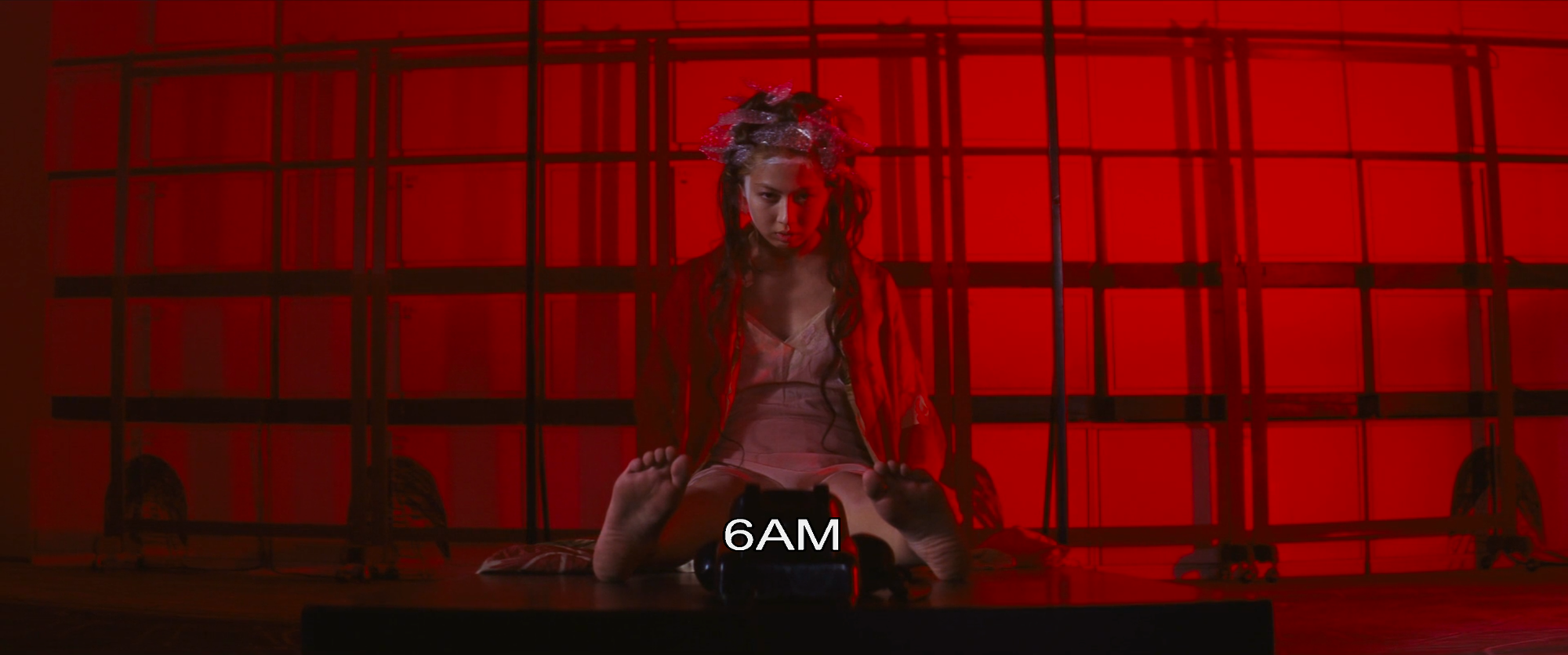
"If I don't exist everything's pretty,"
Welcoming in Gemini season by wishing Hideaki Anno a happy birthday and talking about the beginning and end of his Depression trilogy. Also spoilers I guess, even though there's a link.
As I write this we enter Gemini season. Goddamnit!!!! LET’S GO!!!!!!!!!!!! Okay I admit over the past years we've had terrible representation. Kanye's a Nazi now, Azealia Banks, although talented is... mercurial is how I'll put it. Trump is Trump.
Kendrick Lamar... honestly every time he pops up he does something good and then white liberals ruin it. It happened when To Pimp A Butterfly came out, it happened when they gave his worst album a Pulitzer(which should have gone to TPAB off the strength of King Kunta and Institutionalized alone) and it happened last summer. He eviscerated the former leviathan known as Aubrey Graham(who has been covered quite a bit by this publication and probably will even further as he's an odd and interesting man) in four unique ways. He used lyrical finesse on Euphoria, he used subtlety and subliminals on 6:16 in LA(lowkey the best song in the entire thing), he bludgeoned him upside the head with a brick on Meet the Grahams and then he made us dance with Not Like Us.
The last one caught the most traction and because of that we had to sit through one of the corniest women alive mumble about hiring more cops and securing the border to the tune of Drake being called a colonizer. There were so many terrible ads about how other products are "not like us". I felt like I was back in 2014 and I saw countless coffee shop easel boards about how their flat whites were "on fleek".

I don't want to get into whether or not calling someone a pedophile on a song meant for cookouts and functions trivializes the accusation, especially since I love Meet The Grahams which is way harsher. And especially since Drake used melodic couplets to accuse Kendrick of assaulting his partner . I'm not equipped to really tangle with the weird relationship that white people seem to have with Kendrick Lamar, which has been very real and very concerning since Good Kid Maad City at least.
So instead I'm going to talk about the works of my favorite fellow Gemini: Hideaki Anno, creator of Gunbuster, Nadia: Way of the Water, the arthouse cult classic Love and Pop and some robot franchise or something. It's like Pacific Rim but a cartoon.
I'm going to focus on two works from within the same five year period: End of Evangelion and Ritual(Shiki-Jitsu). The beginning and end of his Depression trilogy. If Lars Von Trier can have one so can he. End of Eva is maybe a top 5 movie of all time, yet I consider Ritual to be his best movie, if that makes sense?
Anno started professionally under the legendary Hayao Miyazaki, founder of Studio Ghibli(whose video arm would actually be the distributor for Ritual). His first major contribution was the climax of Nausicaa of the Valley of the Wind. In addition to this he was a cofounder of Gainax, which went bankrupt last year after years of legal issues.
As his star rose he eventually moved up from being Miyazaki's pupil to something of a contemporary and even a rival of sorts. Both had the same mission as far as using the medium of animation to create humanistic art but they had different paths towards that goal. Miyazaki wanted to dispense with common tropes associated with anime in order to show its versatility. Anno preferred to lean into common and time-tested archetypes and techniques to show that they can be stretched out into creating art that can truly be profound, resulting in the aforementioned short series Gunbuster and of course Neon Genesis Evangelion.
It's hard to say that Eva really did anything new. Maybe the creation of the tsundere archetype even though Asuka is too layered to be reduced to a tsundere. The Gundam franchise was always about the follies of hypermilitarization and forcing children to grow up too fast. Outside of anime, Gojira was made as a response to the horrors of Hiroshima and Nagasaki(with Anno's Shin Godzilla made as a response to the Japanese government's lackadaisical actions in the wake of the Fukushima disaster). As far as contemporary anime works of the time go there was Ghost In The Shell, which dealt with similar themes in terms of identity and the nature humanity, and Perfect Blue, which dealt with the horrors of private vs public image and how that played out in Japan's idol culture. And which Darren Aronofsky bit heavily when he made Black Swan.
If anything, Eva was Anno's love letter to the medium. He combined two of the most popular genres, mecha(giant robots which seem to be an intrinsic part of Japanese popular culture) and kaiju(giant monsters or aliens or demons) and then as the show progressed he added bits of whatever psychological texts he was reading at the time.
In terms of execution, it's amazing. Even the early episodes in terms of animation have a sense of weight to them. You can see the Evas really straining as Shinji, Asuka and Rei operate them, showing that they're in sync but only so much.
The first 15 episodes are a well done robot and monsters show with some tension thrown in. The last 11 are where it really goes off the rails and becomes Eva. The dialectic between Shinji and Asuka comes to a head, the nature of Rei's existential existence becomes clear, an angel invades NERV in the guise of Shinji's idealized form and the world ends. The world ends and all the main characters have an extended therapy session in literal nothingness. It is one of the most profound endings(over two episodes) in television history filled with iconic imagery.
It was still a failure. The ending, although great, iconic, all of that, was still a product of the pitfalls of producing animated shows for Japanese television in the mid-90s. Due to scheduling Gainax had to rush stuff together and so they made something that reflected that. You can see that cels are reused multiple times and that sketches are used instead of fully shaded drawings. The effects created by this work quite well, they do convey a sense of the universe slowly falling apart, but it was truly a "when you have lemons, make lemonade" situation. As soon as it aired, Anno and Gainax announced that there would be a redone ending.
When something great is still a failure how does one respond? Anno gave us two answers.
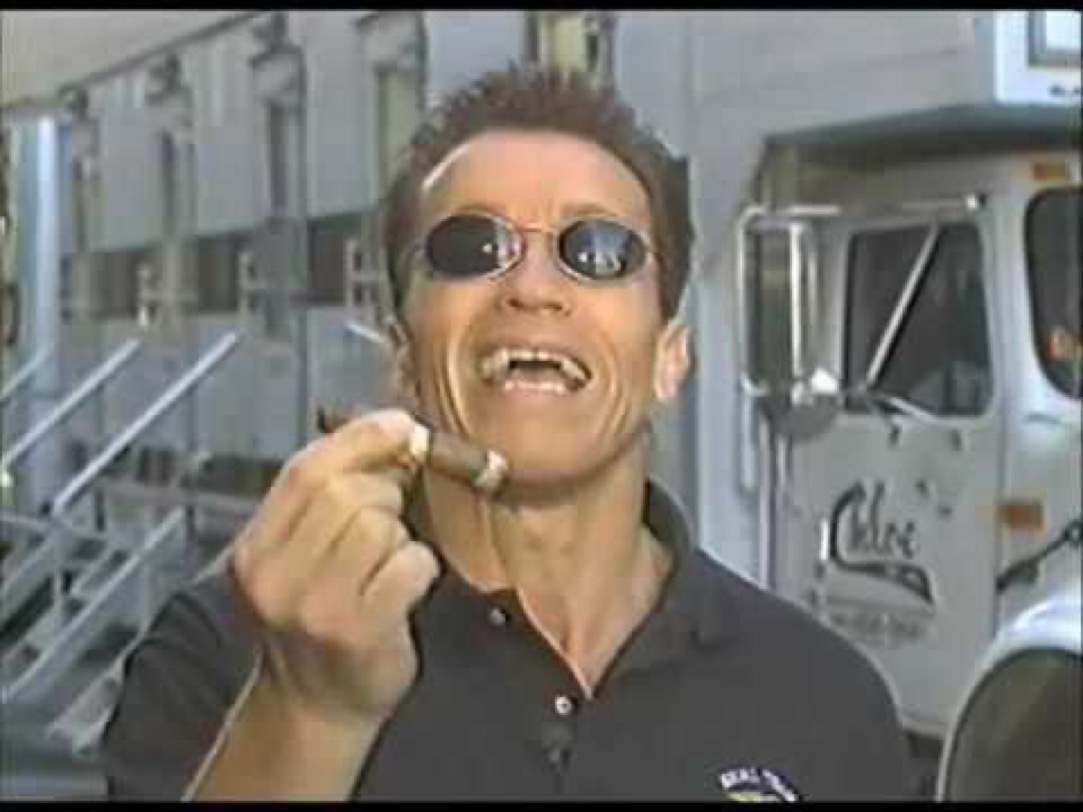
His first attempt at responding to the failure of the original ending of Evangelion was to create, well, the End of Evangelion. You see Shinji at his absolute lowest, fresh off a failed suicide attempt trying to sink even lower just to justify the death he so desperately craves. You see the invasion of NERV by the Japanese government and then after one of the most gruesome massacres ever depicted in anime you see Asuka destroy most of the Japanese military. You see loose ends tied up like, "what did they mean by mass produced Evangelions?" when Asuka finally gets felled. You see Shinji experience ego death as THE FUCKING WORLD ENDS!!!!! Giant Rei/Lillith passes through people like a ghost and turns everyone into LCL! You see a live action sequence in a world with no people! You see some guy flipping off the camera for no reason! You see space vaginas and space clits and crosses! You hear two absolutely perfect songs in Komm Suzzer Todd(which The Weeknd bit on Hardest To Love) and If I Can't be Yours(which could work equally well as either a lover's rock number or Philly Soul). Every scene is iconic and amazing in some form or fashion. And just like the original ending it is incredibly vague and leaves you with more questions than answers.
End of Evangelion is perhaps the perfect merger of art and commerce in a way that was only truly possible during that brief period between the fall of the Soviet Union and the resurgence of American might post-September 11th. 1997 in general was a great year in this regard. Joining End of Eva was The Fifth Element(also one of my favorite all time movies), Boogie Nights and Princess Mononoke by Anno's frenemy Miyazaki.
Creatively and commercially it was a success. But in a way, just like with Evangelion as a whole, it was a failure.
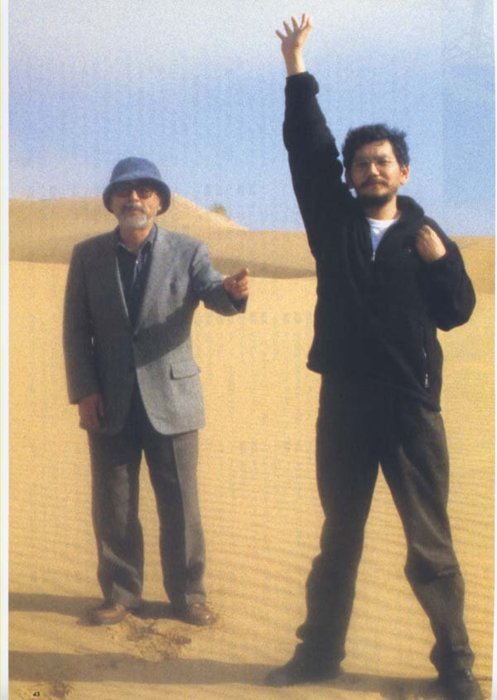
A lot of Western fans in particular are under the impression that Anno hates his fans or hates otakus. A lot of that is projection. He is probably one of the biggest otakus ever, by his own words. Why do you think he did reboots of every big Japanese franchise ever? It is incredibly easy to find a picture of him doing a random Ultraman pose. You see that photo of him and Miyazaki in the Sahara a few paragraphs up where he's doing one.
According to interviews at the time, his goals was to bring new life into anime, which he viewed as stagnant at the time and to tell his fellow otakus to be more self conscious of their escapist habits and be more open to the world and humanity. The use of mechas and kaijus was a business decision by his admission because those things are popular. Which to be fair, giant fighting robots are dope as fuck. This has been proven true time and time again. The show progressed and he started reading about psychology in order to deal with his own depression and... well that's why all of that happened.
On the first count he more than succeeded. Evangelion became a multi-billion yen franchise. It spawned numerous imitators and many of its scenes and tropes became mainstays in the industry.
On the second count... Evangelion became a multi-billion yen franchise. With that comes merchandise, spin-offs, video games, manga, theme park rides, shipping wars, arguments over "best girl" and lots of disquieting licensed art. Anno had unwittingly become a victim of his own success.
He almost became a victim of his own demise at his hands, as well. During this period he considered jumping off the roof of Gainax’s headquarters but decided against it because it “looked like it would really hurt”.
This will come into play later.
Unfortunately there's only so much you can control how people consume art. No matter what Anno's intentions were, Eva is a really cool robot show at its core so a lot of people treat it as that and nothing more. The same thing happened(and happens) with Gundam. I'm sure I'm projecting a lot of my own thoughts into this so take it with a grain of salt but it seems like the crux of his complaints with otaku culture seemed to be a focus on aesthetics and lore. These things look cool so I'm going to collect them to show my value. The story, the characters, the actual driving force behind this thing are secondary.
Even when you talk about the notion of revitalizing a medium he did so by bringing in other story elements and inspirations like Abhramic religious traditions, American sci-fi novels(the poster for EoE is a reference to the cover of The General Zapped an Angel by Howard Fast) and I swear in some places James Bond. Those were mixed in with references to the anime of his youth like Devilman and Space Battleship Yamato. The credits to EoE(where you hear the aforementioned torch song If I Can’t Be Yours, my favorite song in the whole franchise) remind me of On Her Majesty's Secret Service(the best Bond movie) in how they're set up.
Despite being King Otaku, Anno had enough references to draw from outside of that world to throw into his own work. The issue he saw with anime at the time, which surely applies now in a world full of shonen aura farming, was that it was insular and drew too much upon itself. In live action film the best comparison would be with Star Wars. George Lucas created Star Wars by mixing elements from The Hidden Fortress, childhood film serials like Flash Gordon and Buck Rogers, Dune and throwing in anti-imperialist politics. JJ Abrams made two Star Warses because he was a big fan of Star Wars.
Later on Anno would star as a main character in the manga Insufficient Direction done by his wife, the renowned mangaka and fashion writer Moyoco Anno. It’s a satirical project that details their relationship around the time that they finally decided to get married. Hideaki is a portly caricature of himself and Moyoco is a really bossy baby.
At the end of the book he gives a statement where he says that his wife's mangas(such as Hataraki Man) "don't create any 'out' from reality", which was ultimately something he was never able to accomplish with Eva. He also talks about how fragile she is despite her public image and that he will protect her with everything he has... while doing Ultraman poses, which is sweet, dorky and kinda hard to be honest.
After Love and Pop was released in 1998 , Anno decided to adapt the novella Tōhimu, by Ayako Fujitani, the daughter of American action star and martial arts blob Steven Seagal. He would also attach her as the female lead. The result is his second attempt to rectify the failure of Evangelion, Shiki-Jitsu, or Ritual.
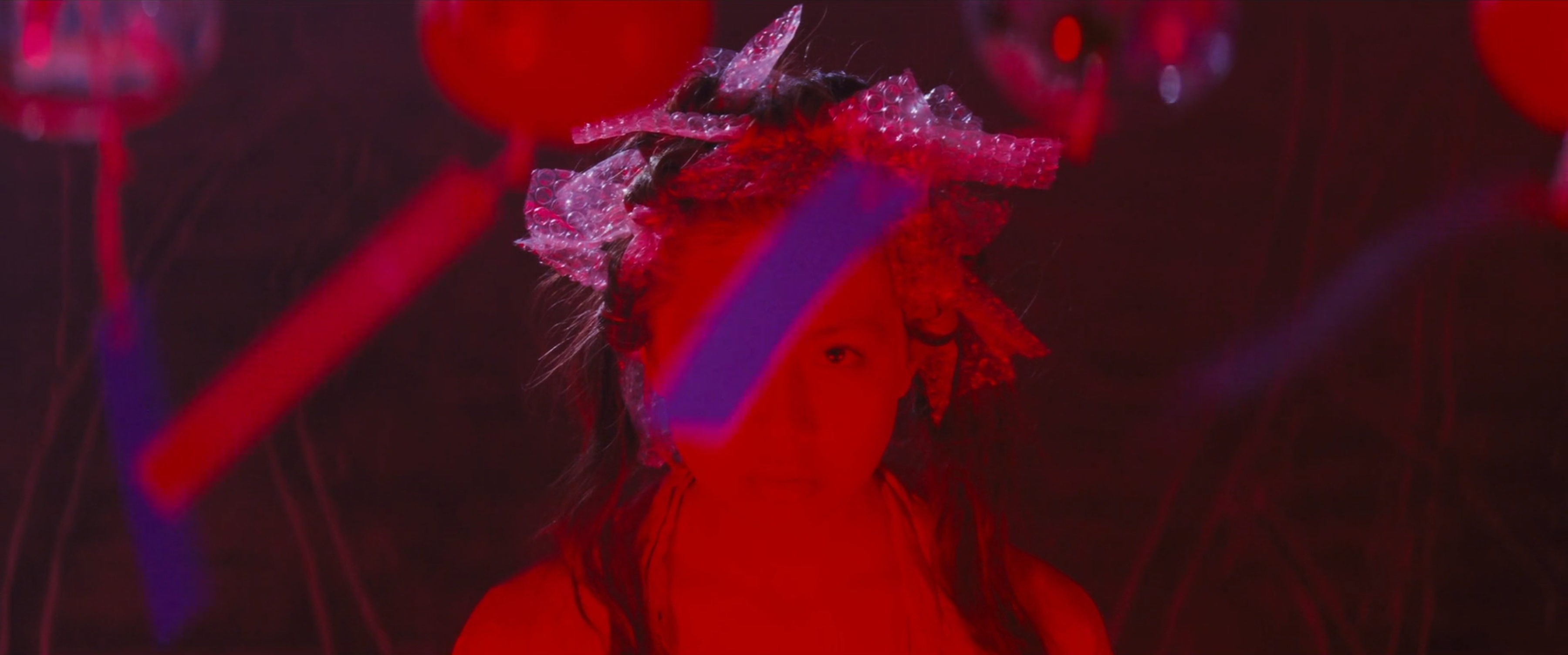
Shiki-Jitsu focuses on two characters: the Director, played by actual director Shunji Iwai(whose 2001 film All About Lily Chou Chou I plan to write about in the future) and Her, played by Ayako Fujinami. The Director(more or less a stand in for Anno, a parallel to his most famous work already) is a young anime director fed up with the industry who decided to move back to his home city of Ube in the Yamaguchi prefecture. Guess who their most famous son is?
Upon his return he sees an eccentrically dressed young woman, Her, laying on the railroad tracks. They make conversation and she tells him to come back tomorrow because "Tomorrow is my birthday."
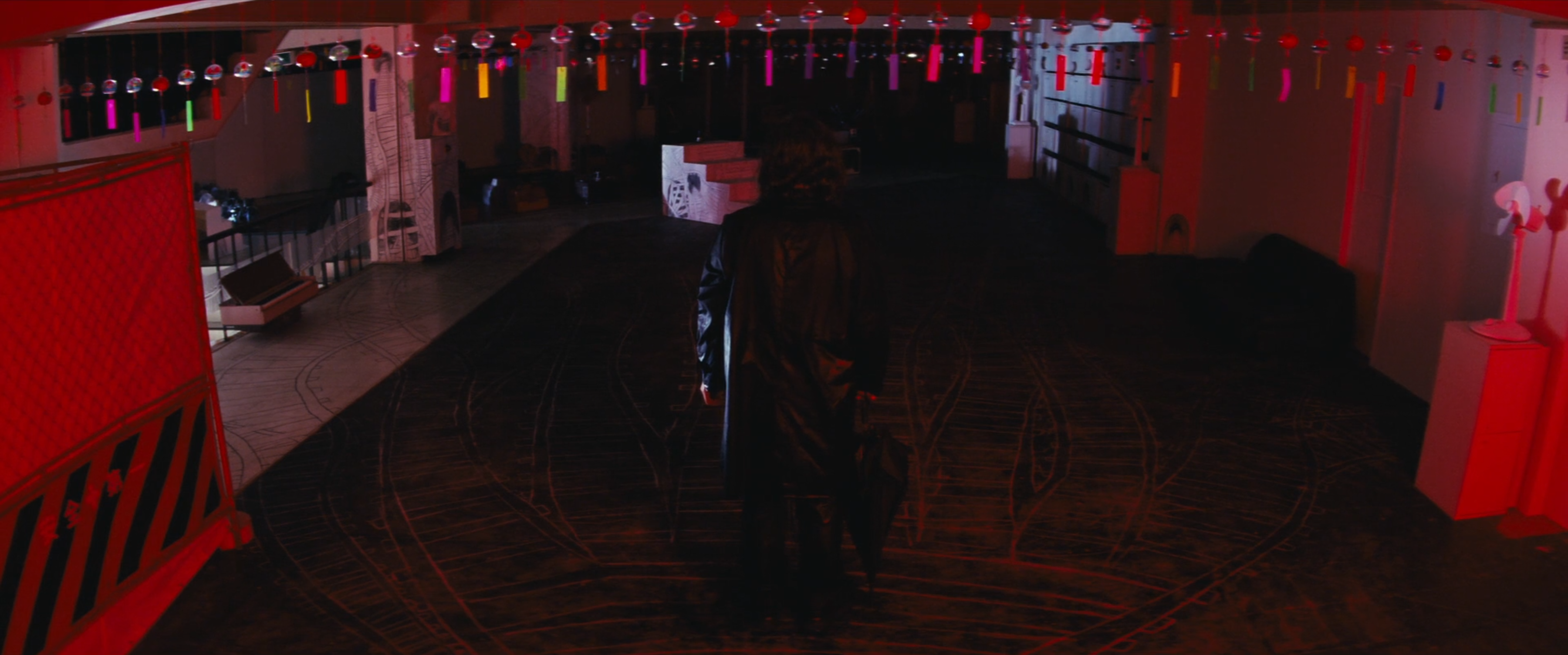
He moves into the abandoned factory she has taken as her home and uneasily the two of them enter a relationship. Very uneasily. She shows him every floor of the building, all of them secret. But the basement, that's secret. No one is allowed down there. He doesn't enter until he finds her in a bathtub down there during a downpour. This is another ritual of hers, another way to cope with the loneliness thrust upon her.
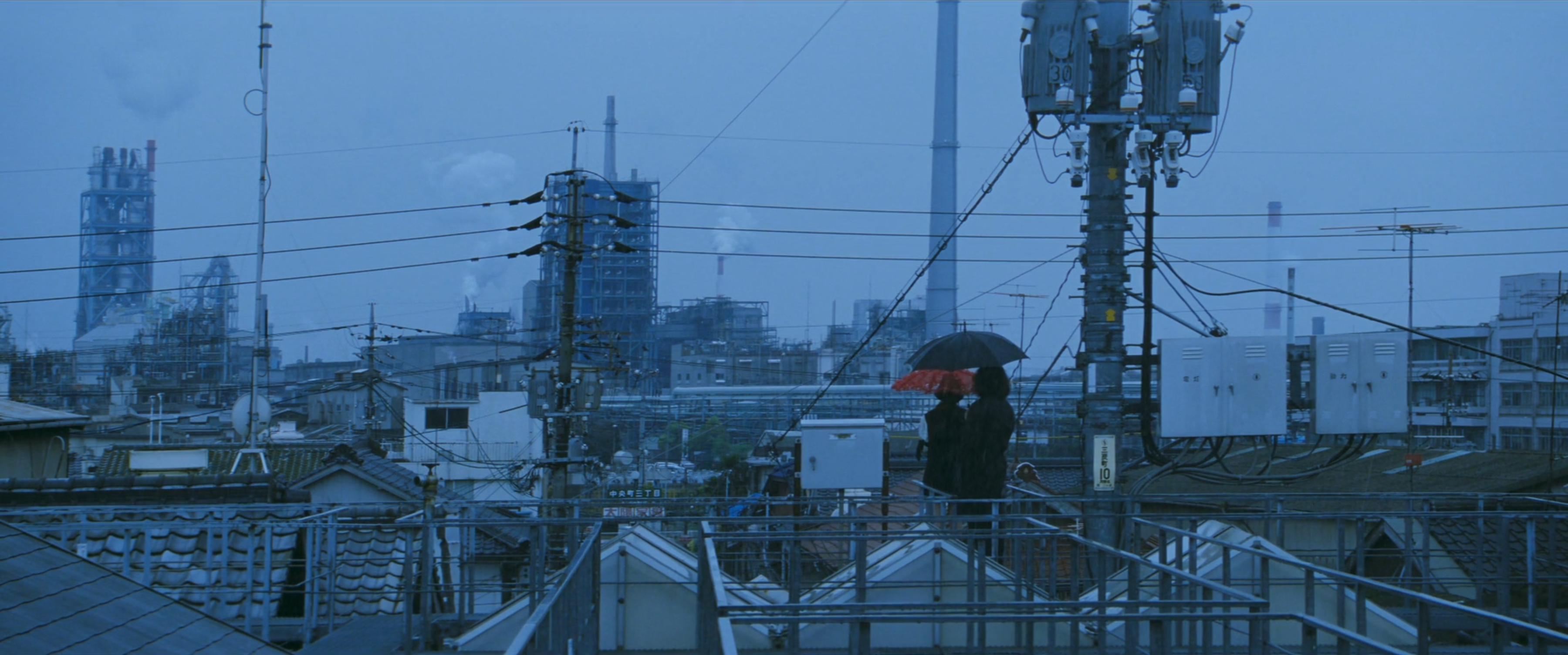
She grows ever more morose, already suffering from suicidal ideation. Early on she reveals to the Director her morning ritual where she wards off her intrusive thoughts by heading to the rooftop and reciting this mantra:
The sky is pretty, the moon is pretty, the light is pretty. If I don't exist, everything's pretty. Maybe it's better if I didn't exist. How about my blood? Maybe it's pretty.
He decides to make Her his subject they walk around the outskirts of Ube making... some kind of film. He starts to fall for her as she falls further and further out of reality. As she says at the end of every day "Tomorrow is my birthday." Eventually her actual birthday does come and she finds some sort of resolution with the family she left.
Speaking from experience Shiki-Jitsu is the most accurate depiction of depression I’ve ever seen on film. The contradictions of wanting to isolate yourself yet craving human contact, albeit on your terms. The fixations. Slowly losing your grasp on reality. The rituals you perform to take your mind off of the pain gnawing at your insides that you just can’t decipher. Lashing out at the few people who try to break through and the guilt you feel at lashing out. All of it is there.
Mind you all of this is shot exquisitely. The use of red in many scenes is inspired. Just as in Love and Pop much of the shot blocking is informed by Anno's work on Evangelion, which is strange to type out given that one is animated and one is shot on 35mm.
Sure this all sounds good but how is this an attempt to rectify the perceived failures of Evangelion?
Shiki-Jitsu and Evangelion as stories have two central things in common. The first is the focus on a dialectic.
Eva is a mech show, a kaiju show, a middlebrow psychological exploration, a source of pretty good music even for a well regarded 90s anime but above all it is about the dialectic between Shinji and Asuka. The exploration of this is what drives all of the above. The Hedgehog's Dilemma? "You can't love anyone until you learn how to love yourself?" This is the vehicle for all that. Even Misato and Kaji next to Ritsuko and Gendo are visions of potential futures for the two and how they relate to each other.
You have two people who are kinda fucked up in the same way but they take different paths to cope with their traumas. They both understand each other completely yet don't get each other at all and the second any sort of progress is made it all crumbles apart.
This is why the end of the End of Evangelion is hopeful. Even with all that they have done to each other and even though, well the damn world ended(the sea is red and their work buddy is giant and her face is slashed in half and falling into the blood sea), they can at least try to understand each other and love each other. Not even a romantic love but just as human beings in the same struggle they can show some sort of love towards each other eventually. That is a beautiful and inspiring message.
But what does that have to do with the Director and Her?
They're also a dialectic in that they both suffer from the affliction of escapism, which is the second theme shared by the two projects.
Escapism, and the tendency to overindulge in it, is central to Eva. Misato buries herself in her work in order to escape her anguish at being the sole survivor of the expedition that led to the Second Impact. She then drowns the feelings caused by her work in Yebisu and sake. She employs an overly flirtatious manner with everyone to escape her feelings for Kaji, who reminds her of the father she both loves and hates. This relationship was itself a form of escapism.
The pilots use their status as pilots to give themselves a sense of purpose and being. Asuka was trained from birth more or less to fly this giant robot god thing. Shinji was more or less alone in the world until his father plucked him out of nowhere and suddenly there was a whole structure devoted to him. Rei was literally made for this. But what happens when the angels are finally gone? Even if Instrumentality didn't happen, what happens to all of this? Not even the pilots but all of the technicians, the bases, the EVAs themselves all of it becomes useless. Just action figures really.
Of course Gendo engineering the merging of humanity into one collective mass soul in order to see his dead wife. And the clones made from her genetic material. The clones he seems to love more than the mother and daughter he saw after Yui died.
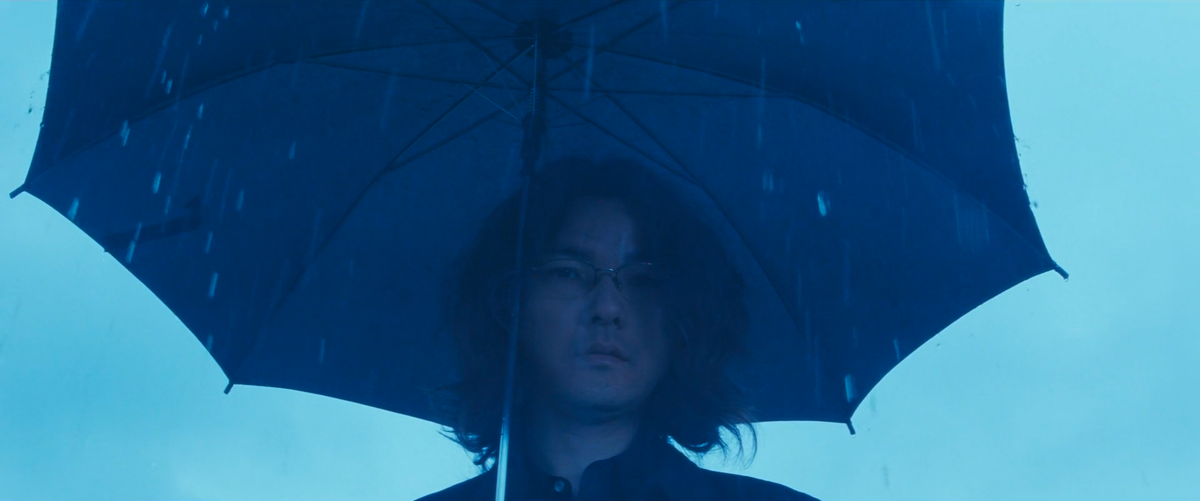
Back in the real world city of Ube, She goes further and further into a fictional world in order to quell her depression. Her mother, the source of her sorrow, becomes more and more present as a villain in this world to the point where she yells at messages left by her every day. Yet another ritual. She puts off her birthday until "tomorrow" because tomorrow never actually comes. She uses her umbrella and her strange clothing and the "secrecy" of each floor as protective layers. An AT Field, if you will. Those layers always crumble and inevitably she finds herself between the railroad tracks on on the rooftop tempting fate.
But the Director is using Her as a form of escapism. He's depressed due to the world he comes from and how it chewed him up and spit him out. He's sick of having to sell false images through animation, hence his resolve to be a "real" director. However by focusing on his new muse he's distracted from whatever his true problems are. Her depression and her coping mechanisms serve as an escape from his ennui. He is attempting to get back in touch with reality in his work by engaging in someone's invented reality. A fascinating paradox, isn't it? He has a sense of purpose as a person and as an artist, albeit temporarily.
In this escapism it can be said that the Director and Her fill needs for each other. She's incredibly lonely and cut off from the world. He needs a source of inspiration to break him from his writers block. Also he has friends but like her, doesn't have a companion. But none of that is love necessarily. You can say that the Director cares for Her but love seems like a stretch. A fascination or a curiosity, sure. An infatuation, perhaps. Love is a lot stronger and even messier than that. At times much more banal than that.
You can say the same about Eva. Hell, Misato even says it outright when Shinji and Asuka watch her and Kaji getting it in during pre-Instrumentality. This is kind of the crux of their clash. Are they actual feelings or would they just be filling a hole that they have inside of themselves?
I would say that as someone who loves the psychological parts of Eva, the failure unfortunately comes from not only the medium but the fact that it's so good as an example of its medium. The shit goes hard. Like really hard. Slice of life stuff? Charming and hilarious! The battle scenes? Again, amazing. Like I said you get a sense of true weight and heft in every single movement. To me it conveys all of its themes well that's why I'm writing this in the first place, but paradoxically it is almost too good to be truly effective at what Anno ultimately wanted to convey by the end of its run. Also of course you do have to do certain things to get financing in that realm, especially as a big name which he definitely was in those days.
It's enough to make you want to move into live action films so that you can truly convey the nature of realit-
Obviously people consume art as a form of escapism. I suppose it can go either way if you create art. On the one hand when one creates something it's a way to process things. Lord knows all of these words I've typed under the nom de plume of Screen Damage Club have helped me deal with stuff from my life and place it into some context. Maybe a focus on dialectics is a Gemini thing, too. Again lord knows I’ve been fixated on that to my own detriment especially lately.
However you can get lost in your own creation. JK Rowling bought a castle and became a TERF and a weird racist. Basically she became a Death Eater. I suppose you could say the same about Neil Gaiman to some degree. I feel like Anno was afraid of getting lost in the sauce as a somewhat self conscious otaku, even as he put his entire soul on the screen.
So he had to bare his soul again, this time in a way that you can't get lost in and that you're forced to pay attention to.
There’s no angels here, just humans.